Seasonal Dog Grooming Guide: Year-Round Care Tips
PetSuites Grooming

Dog grooming is not a one size fits all routine and it is not something that only matters once or twice a year. As the seasons change, so do your dog’s grooming needs. Temperature shifts, weather conditions, and natural coat cycles all play a role in how often your dog should be groomed and what kind of care they need most at different times of year.
This seasonal dog grooming guide is designed to help pet parents understand when and why grooming matters throughout the year. By knowing what to expect each season, you can stay ahead of shedding, skin issues, and discomfort while keeping your dog healthier, happier, and more comfortable year-round!
Understanding Seasonal Coat Changes in Dogs
Many dogs experience natural coat changes as the seasons shift, especially breeds with double coats. These changes are influenced by temperature and daylight rather than calendar dates, which is why grooming needs may vary slightly depending on climate and environment.
Single coated dogs typically shed year-round but may still experience seasonal increases in shedding.
Double coated dogs grow a dense undercoat in colder months for insulation, then shed it in spring to prepare for warmer weather.
While these coat changes happen naturally, grooming plays an important role in supporting the process. Regular brushing and professional grooming help remove loose fur, prevent matting, and keep the skin healthy underneath without interfering with your dog’s natural temperature regulation.
Why Seasonal Grooming Matters for Your Dog’s Health and Comfort
Seasonal grooming goes far beyond keeping your dog looking neat. It directly impacts their overall health and comfort throughout the year.
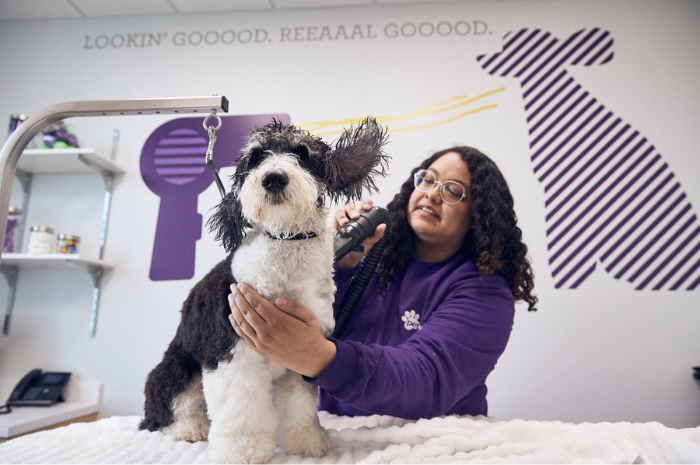
Coat and Fur Management
As coats grow thicker or thinner with the seasons, grooming helps prevent matting, tangles, and excessive shedding. Mats can trap moisture and bacteria close to the skin, leading to irritation or infection if left unchecked.
Research published in Frontiers in Animal Science indicates that inadequate grooming and coat maintenance, including matting, can contribute to skin irritation, discomfort, and other health issues in dogs, reinforcing the importance of regular grooming, especially during seasonal coat changes.
Skin Health
Cold, dry winter air and humid summer conditions can both cause skin issues for dogs. Grooming allows for regular skin inspections, early detection of irritation, and the use of seasonally appropriate bathing products. The American Society for the Prevention of Cruelty to Animals (ASPCA) grooming guide notes that routine grooming helps pet parents identify skin concerns early, before they develop into more serious problems.
Paw and Nail Care
Seasonal ground conditions from hot pavement to icy sidewalks affect paw health. Grooming helps keep nails trimmed for proper mobility and paw pads clean, moisturized, and protected, which supports comfort and reduces the risk of injury.
Parasites and Allergens
Fleas, ticks, pollen, and environmental allergens fluctuate throughout the year. Routine grooming helps reduce buildup and makes it easier to spot potential problems early, especially during warmer months when parasites are most active.
Spring Dog Grooming: Managing Shedding and Seasonal Transitions
Spring marks one of the most important grooming periods of the year. As temperatures rise, many dogs begin shedding their winter undercoat, a process often referred to as blowing coat.
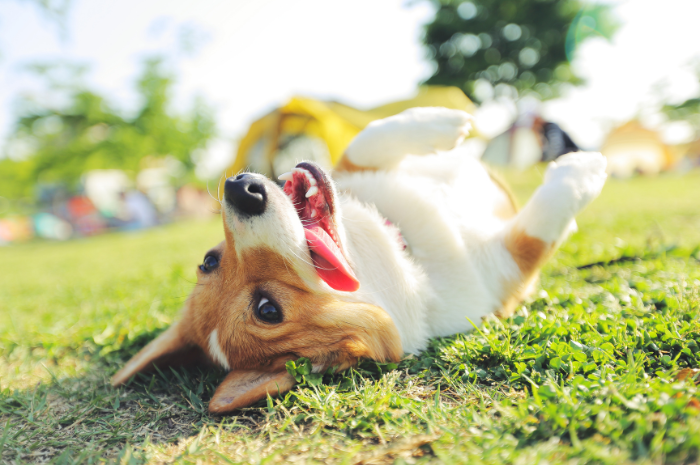
What to focus on in spring:
Increased brushing to remove loose fur and prevent matting
Professional de shedding treatments for heavy shedders
Bathing to remove winter debris, dirt, and allergens
Skin checks for dryness or irritation after colder months
PetSuites Groomer Pro Tip
At PetSuites, we value the hands-on expertise of our professional groomers who work with dogs of all breeds and coat types every day. To provide practical seasonal guidance, we are featuring insights from PetSuites groomer Valorie, who has been grooming pets for over 20 years and understands firsthand how coat and skin needs change throughout the year.
As winter coats begin to shed and temperatures rise, here are Valorie’s expert tips for spring grooming:
"Spring allergies can affect your dog’s skin. A medicated shampoo can help soothe irritation and itching."
"A good de-shed treatment helps remove the heavy winter undercoat and reduces shedding around your home."
-Valorie, dog groomer for over 20 years
Spring grooming helps reset your dog’s coat for warmer weather while keeping shedding manageable around your home. It is also a great time to reestablish a consistent grooming routine if winter schedules or the holidays caused lapses.
Summer Dog Grooming: Staying Cool, Clean, and Protected
Summer grooming is all about comfort and safety. While many pet parents assume shaving is the best way to keep dogs cool, this is not always true, especially for double-coated breeds.
A dog’s coat helps regulate body temperature by insulating against both heat and sun exposure. Removing it entirely can increase the risk of sunburn and overheating.
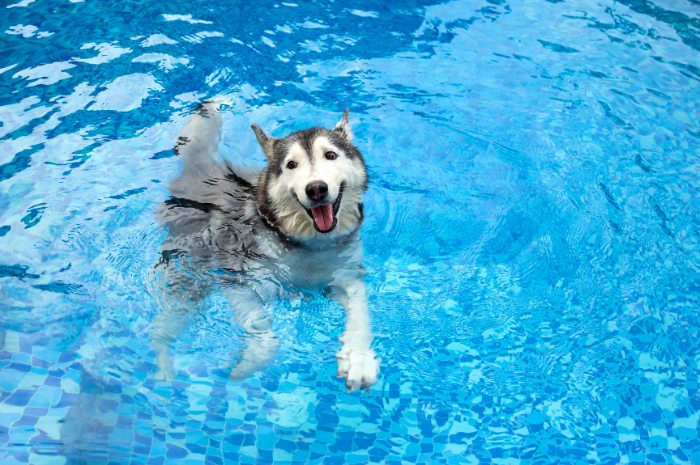
Summer grooming priorities:
Light trims or coat thinning when appropriate for your dog’s breed
Regular brushing to promote airflow
Paw pad trims to reduce heat retention
Flea and tick checks during grooming sessions
Bathing to remove sweat, dirt, and outdoor buildup
PetSuites Groomer Pro Tip
As temperatures climb and outdoor activity increases, here are Valorie’s expert tips for summer grooming:
"We recommend maintaining a haircut schedule every 6–8 weeks to keep your dog cool and comfortable."
"Regular de-shedding treatments help remove excess undercoat and improve airflow to the skin."
-Valorie, dog groomer for over 20 years
Summer is also peak season for parasites, making routine grooming an important part of preventative care.
Fall Dog Grooming: Preparing for Cooler Weather Ahead
Fall grooming is often overlooked, but it plays a key role in preparing your dog for colder months. As summer coats transition, grooming helps prevent problems before thicker winter fur grows in.
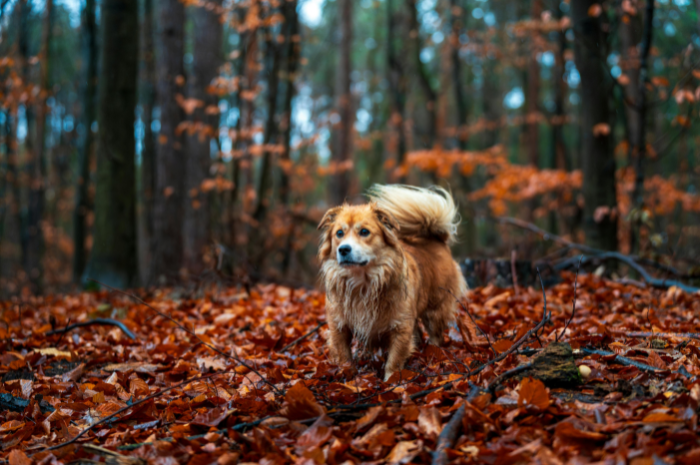
Fall grooming focus areas:
Removing leftover summer coat to prevent matting
Maintaining healthy skin before dry winter air sets in
Strategic trims that allow for insulation without excess bulk
Continued nail and ear care as activity levels change
PetSuites Groomer Pro Tip
As temperatures begin to cool and coats start transitioning again, here is Valorie’s expert tip for fall grooming:
"Another de-shed treatment is great this time of year to manage seasonal shedding and remove loose coat."
-Valorie, dog groomer for over 20 years
By staying consistent with grooming in the fall, pet parents can avoid many common winter coat and skin issues before they start.
Winter Dog Grooming: Comfort, Cleanliness, and Coat Care
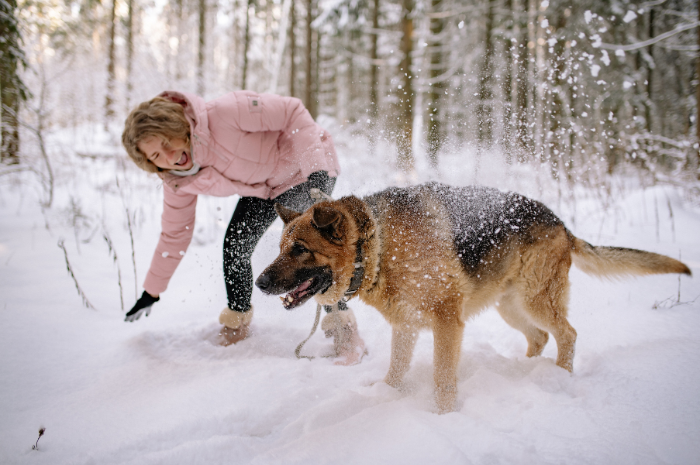
Winter grooming is just as important as summer grooming, if not more so. Longer coats and heavier underlayers increase the risk of matting, especially when combined with moisture from rain, snow, or mud.
Winter grooming essentials:
Regular brushing to prevent mats and tangles
Moisturizing shampoos to combat dry skin
Paw care to protect against snow, ice, and salt
Nail trims to maintain proper traction on slippery surfaces
PetSuites Groomer Pro Tip
As colder temperatures settle in and winter coats reach their fullest, here is Valorie’s expert tip for winter grooming:
"Cold weather can dry out your dog’s skin. A deep conditioning treatment helps restore moisture and prevent flakiness."
-Valorie, dog groomer for over 20 years
Skipping grooming in winter can lead to discomfort and skin problems that are not immediately visible beneath thicker coats.
How Often Should Dogs Be Groomed by Coat Type
While seasonal changes influence grooming needs, coat type plays a major role in how often grooming should occur.
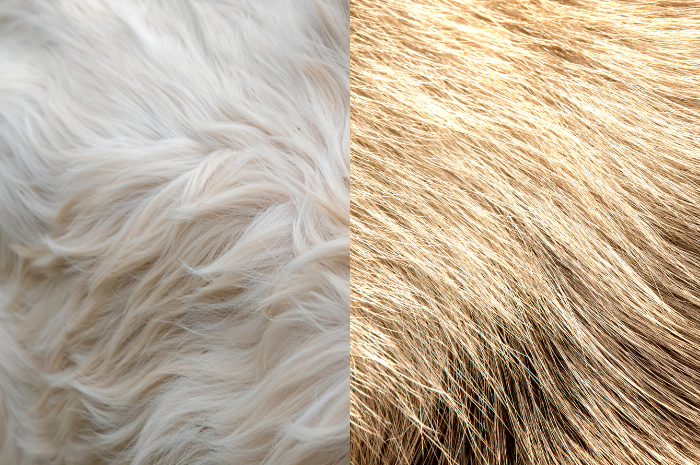
Short coated dogs: Typically benefit from grooming every six to eight weeks, focusing on bathing, brushing, and nail care.
Medium coated dogs: Often need grooming every four to six weeks to control shedding and prevent tangles.
Long coated dogs: Usually require grooming every four to six weeks, with regular brushing between appointments to prevent matting.
Double coated breeds: Benefit from grooming every six to eight weeks, especially during seasonal shedding periods, with an emphasis on de shedding rather than trimming.
Lifestyle, activity level, and environment can all affect these timelines, so individual needs may vary.
Staying Ahead of Your Dog’s Seasonal Grooming Needs
Seasonal dog grooming is about being proactive rather than reactive. By understanding how your dog’s coat and skin change throughout the year, you can adjust grooming routines to keep them comfortable in every season.
Consistent grooming supports healthier skin, better coat condition, and early detection of potential issues, making it an essential part of responsible pet care. Whether handled at home, professionally, or a combination of both, staying mindful of seasonal grooming needs helps ensure your dog feels their best year-round.
Ready to book professional grooming for your dog? Find a PetSuites location near you and schedule an appointment today.
Searching for more fun guides related to caring for your dog? Be sure to explore all of our content on the PetSuites blog!