5 Common Dog Grooming Mistakes & How to Avoid Them
PetSuites Grooming

Keeping your dog clean, comfortable, and looking their best is an important part of being a pet parent. While a fresh haircut, shiny coat, and trimmed nails can help your pup look great, grooming is about much more than appearance. Did you know that some common dog grooming mistakes could actually affect your pup's health and well-being?
According to the American Kennel Club (AKC), regular grooming offers important health benefits, including preventing painful matting, supporting healthy skin and coats, and helping identify potential health concerns early.
Whether you're brushing your dog at home or scheduling professional grooming appointments, understanding proper grooming practices can make a big difference in your pet's comfort and overall health. Let's explore five common dog grooming mistakes pet parents make and how to avoid them!
1. Waiting Too Long Between Grooming Appointments
One of the most common dog grooming mistakes is waiting until your pup looks dirty or overgrown before scheduling their next appointment. While every dog's grooming needs are different, going too long between appointments can lead to tangled fur, painful matting, overgrown nails, and skin irritation.
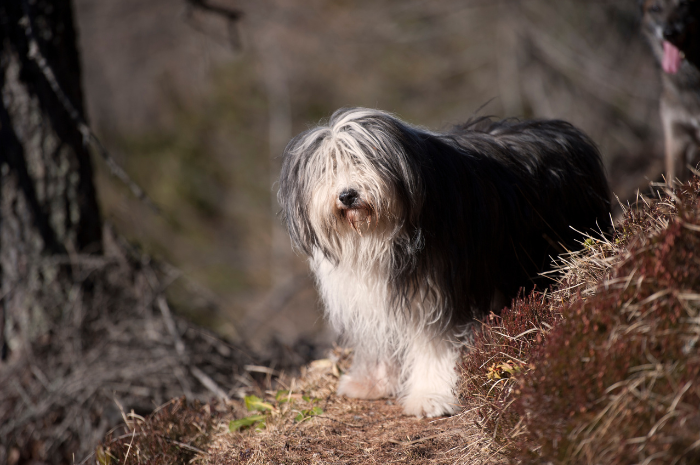
For long-haired or curly-coated breeds, such as Poodles and Doodles, regular coat maintenance is especially important to prevent tangles from developing into more serious problems. Overgrown nails can also cause discomfort when walking, while excessive hair around the eyes may interfere with your dog's vision or cause irritation.
How to avoid this mistake:
Establish a consistent grooming schedule. Many dogs benefit from professional grooming every 4–8 weeks, although frequency varies depending on breed, coat type, and lifestyle.
Brush regularly between appointments. Some coats require daily brushing, while others need less frequent maintenance.
Schedule maintenance services when needed. Baths, brushouts, and nail trims can help keep your pup comfortable between full grooming appointments.
Remember, your dog's grooming needs can also change throughout the year! Check out our seasonal dog grooming guide to learn how weather, shedding cycles, and seasonal conditions can influence your pup's grooming routine.
2. Using the Wrong Grooming Tools or Techniques
Grooming your dog at home can be a great way to bond and maintain their coat between professional appointments. However, using the wrong tools or techniques can sometimes do more harm than good.
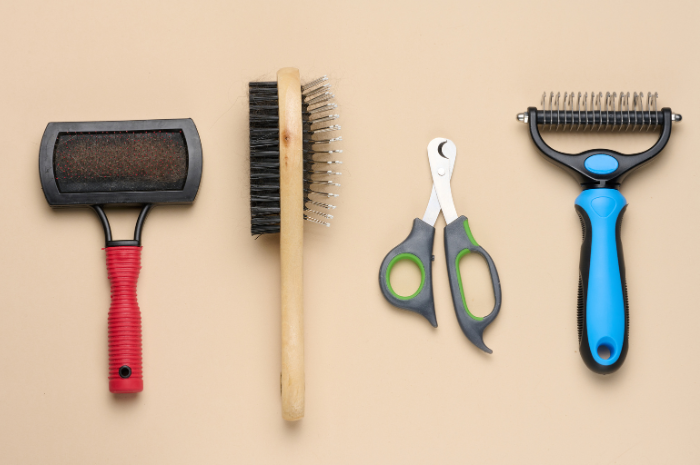
For example, using human shampoo can irritate your dog's skin, while an inappropriate brush may pull on their fur or fail to remove loose undercoat. Attempting to trim nails without proper experience can also result in accidentally cutting the quick, causing pain and bleeding.
Another common mistake is trying to cut out severely matted fur with household scissors. Mats often form close to the skin, making accidental cuts a serious concern.
According to PetMD's veterinarian-reviewed guidance on matted fur, matting can cause discomfort, trap moisture and debris, and contribute to skin irritation or infection.
How to avoid this mistake:
Use shampoos, conditioners, and brushes specifically designed for your dog's coat and skin needs.
Ask your groomer which brushes and maintenance tools are best for your dog's breed.
Avoid using household scissors to remove mats or trim sensitive areas.
Leave complicated grooming tasks, including severe mat removal and unfamiliar clipping techniques, to experienced professionals.
Not sure which grooming services your pup actually needs? Explore our dog grooming service guide for a closer look at common grooming services and their benefits.
3. Choosing a Grooming Style That Doesn't Suit Your Dog's Coat
Not every haircut is right for every dog! Different breeds have unique coat types that require different grooming techniques to maintain healthy skin and fur.
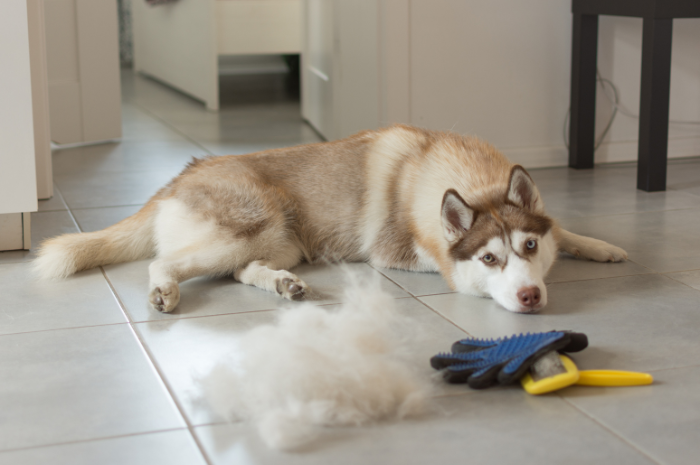
One particularly common mistake is shaving a double-coated dog, such as a Husky, Golden Retriever, German Shepherd, or Samoyed, simply to reduce shedding or help them stay cool during summer.
Check out our should you shave your dog in summer guide to learn more about how different coat types help regulate body temperature and when shaving may or may not be appropriate.
Double coats contain a protective outer layer and a softer undercoat that work together to provide insulation and protect the skin. Shaving these coats unnecessarily can interfere with their natural protective functions, increase sun exposure, and potentially affect how the coat grows back.
Instead of shaving, many double-coated breeds benefit from regular brushing and professional de-shedding treatments that remove loose undercoat without removing the protective outer layer.
How to avoid this mistake:
Learn about your dog's specific coat type and its grooming requirements.
Avoid dramatic haircuts or shaving without consulting a knowledgeable groomer.
Ask about professional de-shedding treatments if excessive shedding is your primary concern.
Choose grooming styles that prioritize your dog's comfort, skin health, and natural coat characteristics.
While certain medical conditions or severe matting may require different grooming approaches, a professional groomer can help you understand which options are most appropriate for your pup.
4. Not Preparing Your Dog for Grooming Appointments
For some dogs, grooming appointments can feel a little overwhelming, especially if they're unfamiliar with being handled or haven't been exposed to grooming tools.
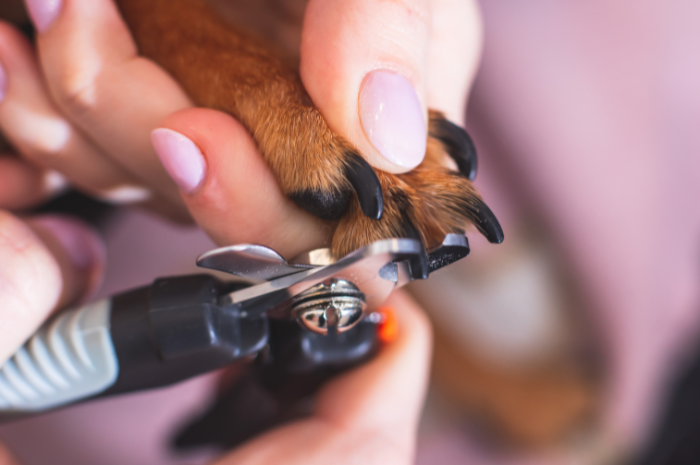
Having their paws touched, ears cleaned, nails trimmed, or coat brushed may feel strange at first. Without gradual introductions, these unfamiliar experiences can contribute to anxiety, resistance, or discomfort during grooming sessions.
Fortunately, there are simple ways to help your dog become more comfortable with grooming, and you can start practicing at home!
How to avoid this mistake:
Practice gentle handling. Regularly touch your dog's paws, ears, tail, and other sensitive areas while offering praise or treats.
Introduce grooming tools gradually. Let your pup sniff brushes or clippers before using them, rewarding calm and comfortable behavior.
Start young when possible. Early positive experiences can help puppies develop confidence around grooming.
Keep practice sessions short and positive. Avoid forcing interactions if your dog becomes fearful or uncomfortable.
Communicate with your groomer. Share any sensitivities, past experiences, or behavioral concerns before your appointment.
Building positive associations with grooming can help your dog feel more confident and comfortable over time. For especially anxious dogs, ask your groomer or veterinarian about a gradual introduction plan that prioritizes your pet's well-being.
5. Choosing a Dog Groomer Without Doing Your Research
Finding the right professional dog groomer is about much more than getting a great haircut. A knowledgeable groomer understands how to work with different breeds, coat types, temperaments, and grooming needs while prioritizing your dog's safety and comfort.
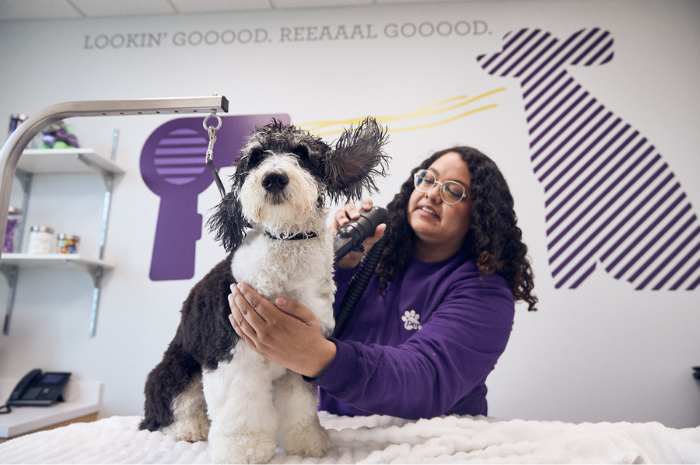
Choosing a groomer based solely on convenience or price could mean overlooking important factors like experience, customer reviews, handling practices, facility cleanliness, and safety procedures. A positive relationship with a trusted groomer can also help your dog become more familiar with the grooming process over time.
How to avoid this mistake:
Before scheduling your dog's next grooming appointment, consider asking a few important questions:
Experience: Does the groomer have experience working with your dog's breed, coat type, or specific needs?
Reviews: What are other pet parents saying? Read recent Google reviews and customer testimonials to learn about their experiences, paying particular attention to feedback about grooming quality, safety, and how dogs are treated.
Safety: What safety protocols are in place, and how does the team respond to signs of stress, illness, or injury?
Handling: How are nervous, senior, or sensitive dogs accommodated during grooming?
Facility: Is the grooming salon clean, organized, and properly maintained?
Communication: Will the groomer discuss your dog's coat condition, recommended services, and ongoing maintenance needs?
Taking the time to research your options can help you find a grooming professional who makes your dog's health, safety, and comfort a priority!
Make Grooming Part of Your Dog's Wellness Routine
Avoiding these common dog grooming mistakes starts with understanding your pup's unique needs and building a consistent routine that combines at-home maintenance with professional care.
At PetSuites, our experienced dog groomers provide personalized grooming services for dogs of all breeds and sizes. From refreshing baths and nail trims to full-service grooms and de-shedding treatments, our team is here to help your pup look and feel their best!
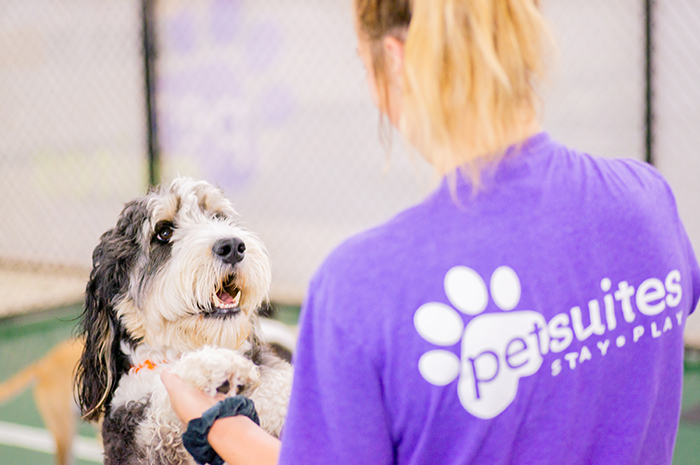
Our one-on-one grooming approach means your dog stays with the same groomer throughout their appointment, helping build familiarity, trust, and comfort. We also use quality grooming products tailored to your dog's skin and coat needs. Ready to treat your pup to a fresh new look?
Get 20% off your dog's first full groom at PetSuites!
Explore our professional dog grooming services to learn more about what could be best for your dog and find your nearest PetSuites location to schedule an appointment today!
Searching for more fun guides related to caring for your dog? Be sure to explore all of our content on the PetSuites blog!