Hot Weather & Dogs: Heat Risks, Overheating & Summer Safety Tips
Health & Wellness

Summer is a wonderful time to get outside with your dog. Whether you're heading out for a morning walk, spending the day at the park, planning a camping trip, or simply relaxing in the backyard, warmer weather creates plenty of opportunities to enjoy more time together.
However, rising temperatures also bring additional risks that every pet parent should understand. While dogs certainly enjoy being outdoors, they don't handle heat the same way people do. What feels like a warm summer day to us can quickly become dangerous for a dog, especially during exercise or in humid conditions.
Heat-related illnesses, including heat exhaustion and heatstroke, can develop surprisingly fast and may become life-threatening if they're not recognized early. The good news is that most cases are preventable with a little planning, awareness, and an understanding of your dog's individual needs.
In this guide, we'll explain why hot weather affects dogs differently than humans, how to recognize the warning signs of overheating, when temperatures become unsafe for outdoor activities, and practical ways to help your dog stay cool, healthy, and active throughout the summer.
How Dogs Regulate Body Temperature
One of the biggest misconceptions about dogs is that they cool themselves the same way people do. In reality, their bodies work very differently.
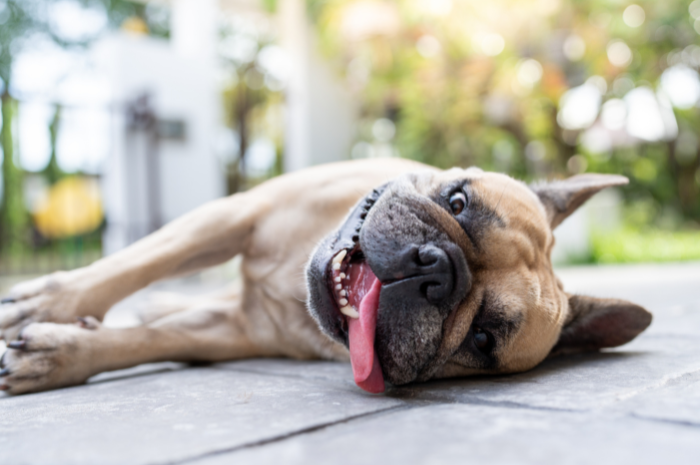
Humans rely primarily on sweating to regulate body temperature. As sweat evaporates from our skin, it helps carry heat away from the body. Dogs, on the other hand, have very few sweat glands and primarily cool themselves by panting. They also have sweat glands in their paw pads, but these play only a small role in regulating body temperature.
Veterinary experts at Merck Veterinary Manual explain that panting allows moisture to evaporate from a dog's tongue, mouth, and upper respiratory tract, helping release excess body heat. While this system works well under many conditions, it becomes much less effective when temperatures climb or humidity levels are high.
Humidity deserves special attention because it limits evaporation, the very process that allows panting to cool the body. That's why an 82°F afternoon with high humidity may actually pose a greater risk than a dry 90°F day.
Unlike people, dogs also can't simply remove layers of clothing or sweat more when they become hot. Once their body begins retaining heat faster than it can release it, their internal temperature can rise quickly, increasing the risk of dehydration, heat exhaustion, and eventually heatstroke.
Understanding how dogs regulate body temperature helps explain why even healthy, active dogs can overheat much faster than many pet parents expect.
Why Hot Weather Can Be Dangerous for Dogs
Warm weather alone doesn't automatically make outdoor activities unsafe. Instead, several environmental and physical factors work together to determine your dog's overall risk.
Some of the biggest contributors include:
High air temperatures
Elevated humidity
Direct sunlight
Limited shade
Vigorous exercise
Hot pavement or sand
Poor air circulation
Lack of access to fresh water
Each of these factors increases the amount of heat your dog's body must manage.
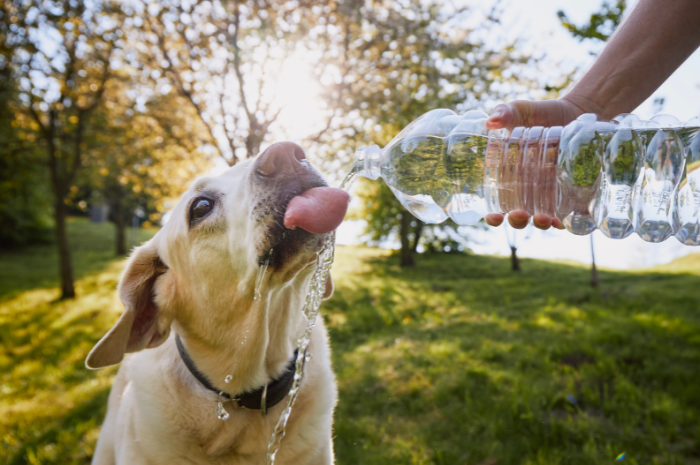
As your dog's body temperature rises, they naturally begin panting harder to cool themselves. If that cooling process can't keep pace with the heat they're absorbing, their temperature continues climbing. Eventually, dehydration develops, circulation becomes less efficient, and vital organs begin experiencing additional stress.
Veterinary professionals recognize heatstroke as one of the most serious warm weather emergencies in dogs because elevated body temperatures can affect the brain, heart, kidneys, liver, and other organs. The longer a dog's body temperature remains dangerously elevated, the greater the risk of permanent damage.
The encouraging news is that heat-related illnesses are largely preventable. Learning when conditions become risky and recognizing the earliest warning signs allows pet parents to intervene long before a situation becomes an emergency.
Which Dogs Are Most at Risk in Hot Weather?
Every dog can overheat under the right conditions, but some are naturally more vulnerable than others. Veterinary experts at Cornell University College of Veterinary Medicine note that factors such as a dog's breed, age, weight, overall health, and coat type can all influence how well they tolerate hot weather. Understanding whether your dog falls into one of these higher-risk categories can help you make safer decisions during the summer months.
Brachycephalic (Flat-Faced) Breeds
Dogs with shortened muzzles often have narrower airways, making panting less efficient.
Examples include:
Bulldogs
French Bulldogs
Pugs
Boston Terriers
Boxers
Shih Tzus
Because these breeds already work harder to breathe, they may become overheated much sooner than dogs with longer muzzles even during moderate temperatures.
Puppies
Young puppies are still developing their ability to regulate body temperature and often don't recognize when they've become too hot. Their excitement during play can also cause them to ignore early signs of fatigue.
Senior Dogs
Older dogs may have reduced cardiovascular function or age-related medical conditions that make it harder for their bodies to adapt to hot weather.
Overweight Dogs
Extra body fat acts as insulation, trapping heat and making it more difficult for dogs to cool themselves efficiently.
Dogs with Medical Conditions
Dogs with heart disease, respiratory disease, obesity, or other chronic illnesses may be at greater risk for heat-related illness and often benefit from additional precautions during warm weather.
Thick-Coated and Double-Coated Breeds
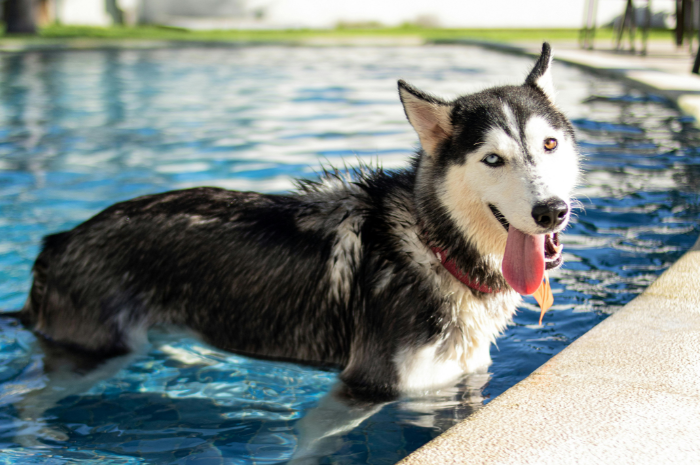
Dogs with dense coats, including Huskies, Bernese Mountain Dogs, Newfoundlands, and other double-coated breeds, naturally carry more insulation than short-haired breeds.
Although many pet parents assume shaving these dogs will help keep them cooler, double coats actually play an important role in regulating body temperature and protecting the skin from direct sunlight. For many breeds, maintaining a healthy coat through regular brushing and proper coat care is often more beneficial than shaving.
If you're unsure whether shaving is the right choice for your dog, read our guide: Should You Shave Your Dog in Summer? For additional year-round coat care recommendations, check out our Seasonal Grooming Guide, which covers grooming best practices for every season.
Even if your dog isn't considered "high risk," it's still important to monitor them closely whenever temperatures begin climbing.
Signs Your Dog May Be Overheating
One of the most important things every pet parent can do is recognize the early warning signs of overheating.
The sooner you identify a problem, the easier it is to cool your dog down before their condition becomes more serious.
Early Signs of Overheating
Watch for subtle changes in your dog's behavior, including:
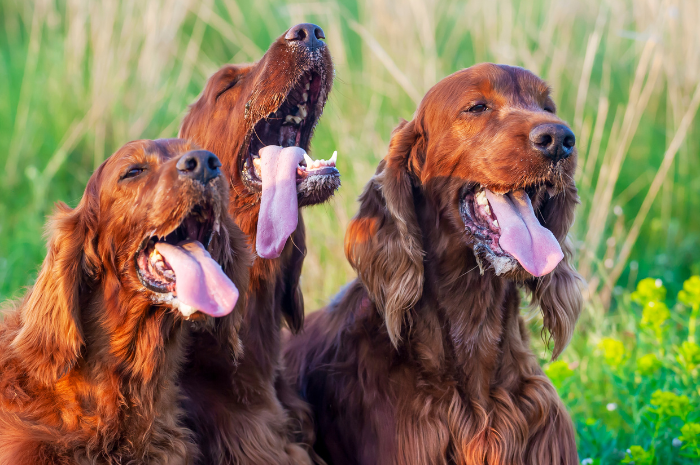
Excessive panting
Heavy drooling
Slowing down during walks or play
Frequently seeking shade
Lying down more often than usual
Bright red gums
Increased thirst
These symptoms are your dog's way of telling you they need a break.
If you notice any of these signs, immediately stop physical activity, move your dog into a cooler environment, offer fresh water, and allow them time to rest.
Moderate Signs
If overheating continues, symptoms often become more noticeable.
These may include:
Weakness
Vomiting
Diarrhea
Difficulty walking
Disorientation
Rapid heart rate
Glassy eyes
Veterinary experts at The American Animal Hospital Association note that dogs showing these symptoms should be cooled promptly and evaluated by a veterinarian, as heat-related illness can progress rapidly.
Emergency Signs of Heatstroke
Heatstroke is a medical emergency requiring immediate veterinary care.
Symptoms may include:
Collapse
Inability to stand
Seizures
Loss of consciousness
Unresponsiveness
Prolonged elevations in body temperature can damage multiple organs and become life-threatening if treatment is delayed. If your dog shows any of these signs, seek emergency veterinary care immediately.
Heat Exhaustion vs. Heatstroke: What's the Difference?
Many pet parents use the terms heat exhaustion and heatstroke interchangeably, but they actually describe different stages of heat-related illness.
Heat Exhaustion
Heat exhaustion develops when your dog's body temperature begins rising beyond its normal range, but they're still able to cool themselves with assistance.
Dogs experiencing heat exhaustion commonly show:
Heavy panting
Excessive drooling
Fatigue
Weakness
Slower movement
Reluctance to continue exercising
At this stage, moving your dog into a cool environment, offering water, and allowing them to rest may prevent the condition from progressing.
Heatstroke
According to The American Animal Hospital Association, heatstroke occurs when the body's natural cooling mechanisms can no longer keep pace with rising body temperature.
As temperatures continue climbing, damage can begin affecting multiple organs throughout the body.
Veterinary professionals consider heatstroke one of the most serious emergencies in companion animals because survival often depends on rapid treatment.
Even if your dog appears to recover after significant overheating, it's still important to contact your veterinarian. Some complications may not become apparent until hours later.
What Temperature Is Too Hot to Walk Your Dog?
One of the most common questions pet parents ask is, "How hot is too hot to walk my dog?" While there isn't one temperature that's dangerous for every dog, air temperature, humidity, breed, age, and activity level all play important roles.
Temperature Guide for Walking Dogs
Temperature | Risk Level | Recommendations |
Below 75°F | Low Risk | Most healthy dogs can safely enjoy walks, hikes, and outdoor play. |
75°F-80°F | Mild Risk | Bring water, choose shaded routes, and monitor your dog for signs of overheating. |
80°F-85°F | Moderate Risk | Shorten walks, avoid strenuous exercise, and schedule outings during cooler parts of the day. |
85°F-90°F | High Risk | Limit activity, take frequent breaks, and closely monitor higher-risk dogs. |
Above 90°F | Very High Risk | Avoid prolonged outdoor exercise whenever possible and opt for indoor activities instead. |
Don't Forget About Humidity
Temperature is only part of the equation. High humidity makes panting less effective, which limits your dog's ability to cool themselves naturally. As a result, an 80°F day with high humidity can sometimes be more dangerous than a dry 90°F day. When temperatures and humidity are both elevated, it's safest to shorten outdoor activities and prioritize shade, hydration, and cooling breaks.
Quick Answer: For many dogs, temperatures above 80°F begin increasing the risk of overheating, especially during exercise. Once temperatures reach 90°F or higher, outdoor activity should be limited, particularly for puppies, senior dogs, brachycephalic breeds, and dogs with underlying health conditions.
Is Hot Pavement Dangerous for Dogs?
Air temperature tells only part of the story during summer. Surfaces like asphalt, concrete, artificial turf, and even beach sand absorb sunlight throughout the day and often become much hotter than the surrounding air.
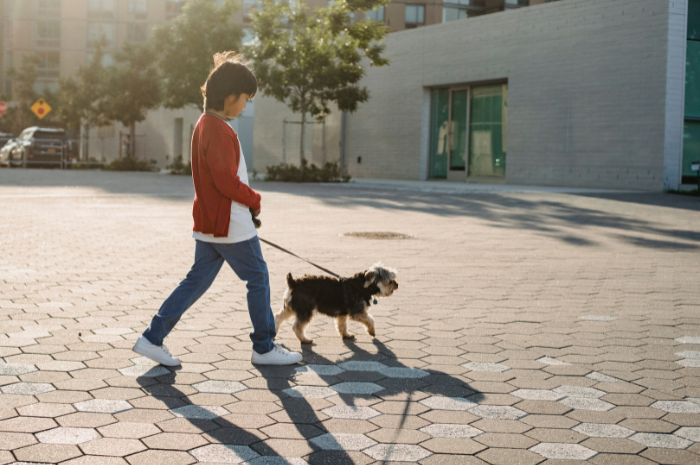
While these surfaces can contribute to overheating, they also pose another important risk: burns to your dog's paw pads. A simple way to estimate whether pavement is safe is the 7-second test.
Place the back of your hand on the pavement for seven seconds. If it's too uncomfortable for your hand, it's likely too hot for your dog's paws as well.
Whenever possible, help protect your dog by:
Walking during the early morning or evening
Choosing grassy or shaded routes
Avoiding prolonged walks on asphalt or concrete
Bringing water on longer outings
Taking frequent cooling breaks
Planning walks around cooler temperatures not only protects your dog's paws but also reduces their overall risk of overheating.
How to Keep Your Dog Safe During Hot Weather
The best way to protect your dog during the summer is to prevent overheating before it starts. While every dog has different needs based on their breed, age, health, and activity level, a few simple precautions can go a long way toward helping them stay safe and comfortable.
Keep Fresh Water Available
Hydration is one of the most important defenses against overheating.
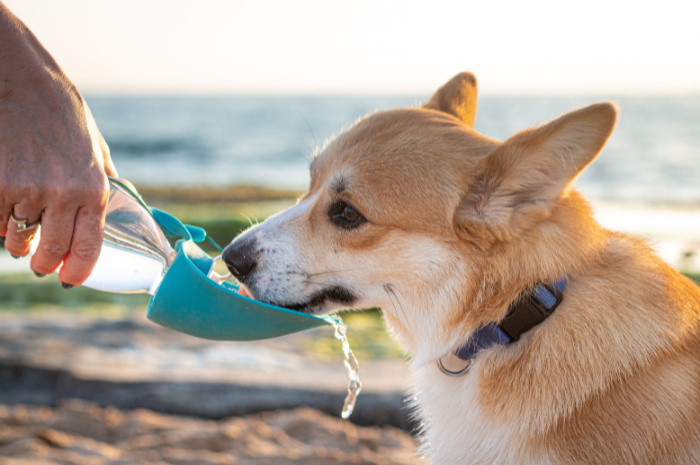
Whether you're taking a neighborhood walk, heading to the park, or spending the day at the beach, always make sure your dog has access to clean, fresh water. For longer outings, bring a portable water bottle or collapsible travel bowl so they can drink whenever they need a break.
Just as importantly, encourage your dog to take water breaks before they appear thirsty. Many dogs become so focused on playing or exploring that they don't stop drinking on their own.
Walk During the Cooler Parts of the Day
Summer afternoons are often the hottest and most dangerous time for outdoor exercise.
Instead, try planning walks during:
Early morning
Late evening
Cooler or overcast days
Not only will temperatures typically be lower, but sidewalks and pavement will usually be much cooler for your dog's paws. If temperatures continue climbing throughout the day, don't be afraid to shorten your walk or head back inside sooner than planned. Even a little exercise is better than risking heat-related illness.
Never Leave Your Dog in a Parked Vehicle
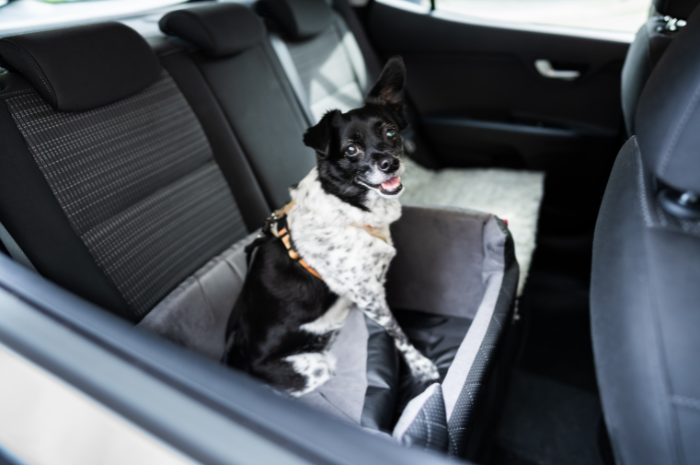
One of the most dangerous situations for dogs during the summer is being left inside a parked car.
The American Veterinary Medical Association (AVMA) warns that the temperature inside a vehicle can rise dramatically within minutes even when the outdoor temperature feels relatively comfortable. Cracking the windows provides very little protection and should never be considered a safe alternative.
If your dog can't accompany you inside, it's safest to leave them at home where they can remain cool and comfortable.
Take Frequent Breaks
Dogs don't always know when it's time to slow down, especially if they're excited, playing with other dogs, or chasing a ball.
During walks or outdoor activities, schedule regular breaks in the shade and watch for subtle signs that your dog needs to cool down. Allowing a few minutes of rest can make a significant difference on warmer days.
Provide Plenty of Shade
If your dog will be spending time outdoors, make sure they always have access to shade.
Trees, covered patios, canopies, umbrellas, or other shaded areas provide relief from direct sunlight and help reduce heat exposure throughout the day.
Remember that shade also moves as the sun changes position, so periodically check that your dog's resting area remains protected.
Don't Forget Mental Exercise
Some summer days are simply too hot for long walks, hikes, or extended outdoor play. Fortunately, physical exercise isn't the only way to keep your dog happy.
Indoor enrichment activities can provide excellent mental stimulation while helping burn energy. Some great options include:
Food puzzle toys
Frozen enrichment treats
Nose work and scent games
Short indoor training sessions
Hide-and-seek
Interactive toys
Mental stimulation is often just as rewarding as physical exercise and can be especially valuable during heat waves. If you're looking for more ways to challenge and engage your dog indoors, explore our guide on dog enrichment for additional enrichment ideas and tips.
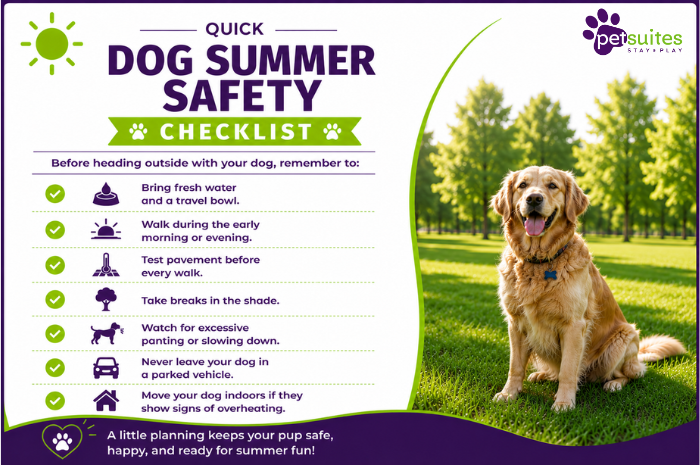
Dog Summer Safety Checklist
Heading outside with your dog? Use this quick checklist as a simple reminder before every summer walk, hike, or outdoor adventure. Taking a few moments to prepare can go a long way toward helping your dog stay safe, comfortable, and happy in warm weather.
Even with the best preparation, dogs can occasionally become overheated. Knowing how to respond quickly can help prevent a more serious emergency.
What To Do If Your Dog Gets Too Hot
Even with careful planning, dogs can occasionally become overheated.
Knowing how to respond quickly can help prevent a more serious emergency.
If you believe your dog is overheating:
Move Them to a Cooler Area
Immediately move your dog into an air-conditioned building, shaded area, or another cool environment away from direct sunlight.
Offer Cool Water
Allow your dog to drink cool (not ice-cold) water in small amounts. Avoid forcing your dog to drink if they aren't interested.
Begin Gradual Cooling
Veterinary guidance from Pet MD recommends gradually lowering body temperature using cool water, wet towels, fans, or air conditioning.
Focus on areas such as:
Paw pads
Belly
Neck
Groin
Avoid using ice baths or extremely cold water unless specifically directed by a veterinarian, as rapid cooling can actually interfere with the body's natural circulation.
Contact Your Veterinarian
If your dog experienced significant overheating or if symptoms are moderate or severe contact your veterinarian immediately.
Even dogs that appear to recover may develop complications hours later. If your dog collapses, becomes unresponsive, has seizures, or cannot stand, seek emergency veterinary care immediately.
Summer Activities That Help Keep Dogs Safe
Warm weather doesn't have to mean staying indoors all season. Instead, consider adjusting your routine to match the conditions.
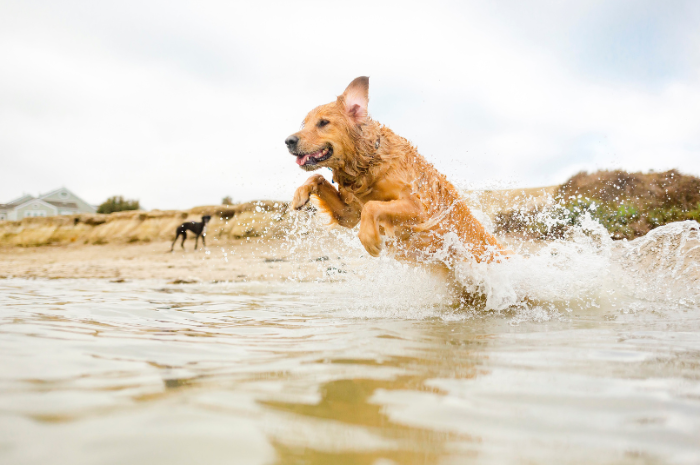
Some great summer-friendly activities include:
Early morning walks
Evening neighborhood strolls
Swimming (when appropriate and supervised)
Indoor training sessions
Puzzle toys and enrichment games
Short play sessions in shaded areas
Dog daycare
Making small changes to when and how your dog exercises can significantly reduce their risk of overheating while still keeping them physically and mentally engaged.
How Dog Daycare Can Help During Hot Weather
When summer temperatures make long walks or outdoor play difficult, dog daycare can be a great way to help your dog stay active without prolonged exposure to the heat.
At PetSuites, our team is committed to providing a fun, engaging, and safe environment where dogs can socialize, exercise, and receive plenty of attention throughout their daycare experience. Depending on weather conditions and each location's setup, dogs enjoy a combination of supervised indoor play, scheduled outdoor breaks, water play in pools, fresh water, and opportunities to rest between activities.
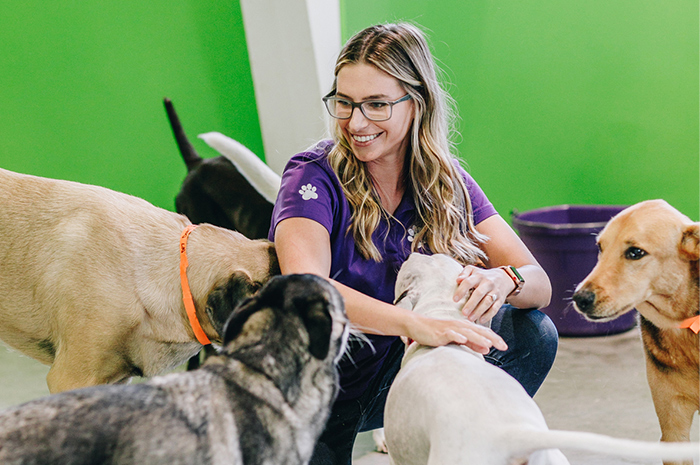
Our trained team members are also familiar with recognizing early signs of overheating, helping ensure dogs remain comfortable during warmer months.
For many pet parents, daycare offers peace of mind during the summer by providing a safe alternative to extended outdoor exercise while allowing dogs to burn energy, build confidence, and enjoy time with other pups.
If you're looking for an easy way to keep your dog active and engaged this season, take advantage of unlimited dog daycare for 30 days for just $99!
Summer Grooming Can Help Keep Dogs Comfortable
Keeping your dog's coat healthy is another important part of summer care.
Regular grooming removes loose hair, dirt, and debris while helping prevent mats that can trap heat close to the skin. Brushing also improves airflow through the coat and allows you to check for skin irritation, parasites, or other concerns that may develop during outdoor adventures.
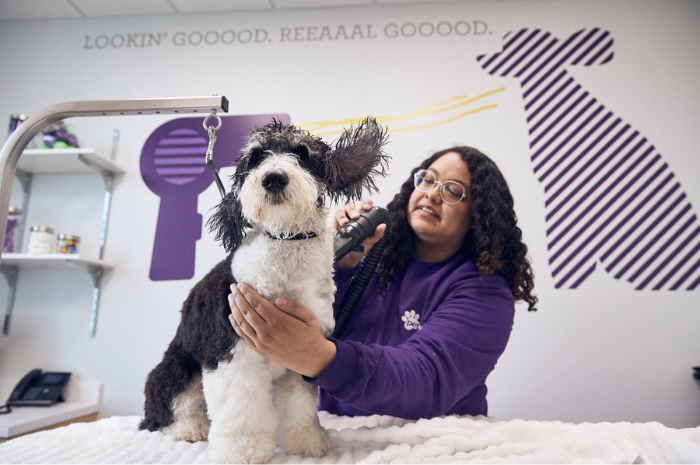
Instead of assuming your dog needs a shorter haircut, talk with a professional groomer about what's best for your dog's breed and coat type.
Routine grooming appointments can help keep your dog cleaner, more comfortable, and looking their best throughout the warmer months.
If your dog is due for a summer refresh, new grooming clients can enjoy 20% off their first grooming session!
Enjoy a Safe, Happy Summer With Your Dog
Summer offers countless opportunities to make memories with your dog, from neighborhood walks and beach trips to vacations and afternoons spent exploring together. By understanding how hot weather affects dogs, recognizing the early signs of overheating, and making a few simple adjustments to your routine, you can help your pup stay safe while still enjoying everything the season has to offer.
Remember to provide plenty of fresh water, avoid the hottest parts of the day, check pavement temperatures before heading out, and monitor your dog closely for signs that they need a break. If you ever suspect your dog is experiencing heatstroke, seek veterinary care immediately.
On days when the weather simply isn't suitable for extended outdoor exercise, there are still plenty of ways to keep your dog happy and healthy. Indoor enrichment activities, professional grooming, and dog daycare all provide excellent opportunities for physical activity, mental stimulation, and socialization without the added risks of prolonged exposure to extreme heat. Ready to help your pup beat the heat? Find your nearest PetSuites location for safe, engaging fun this summer.
With a little planning and awareness, you can help ensure your dog enjoys a fun, active, and safe summer from beginning to end!
Searching for more fun guides related to caring for your dog? Be sure to explore all of our content on the PetSuites blog!